What Are Painful Periods?
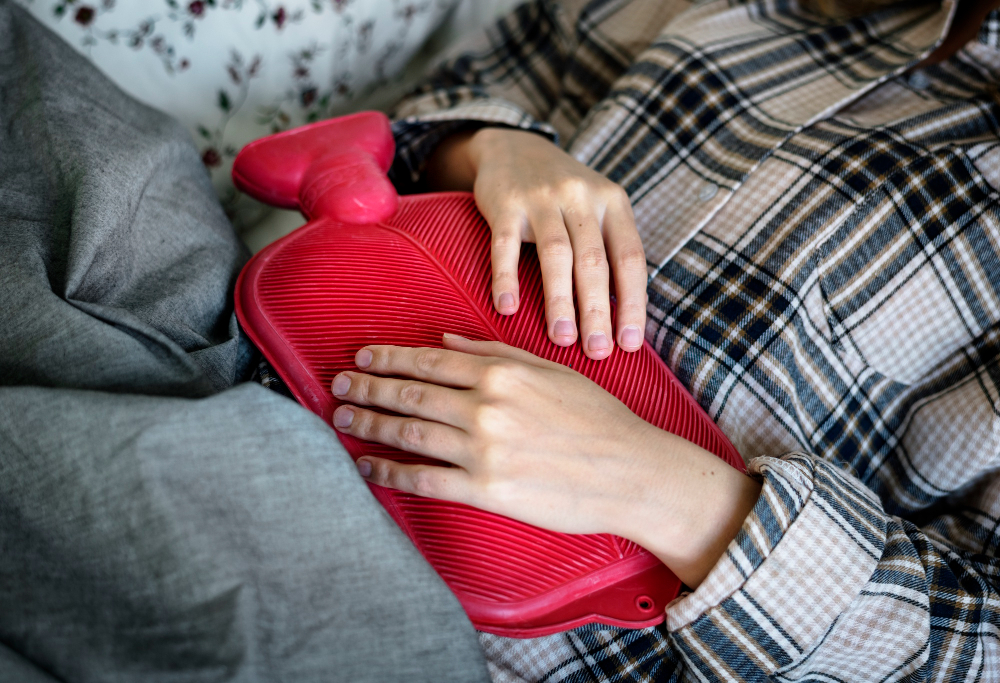
Painful periods, also called dysmenorrhea, are common among women. Many ask, “Why do periods hurt?” For some, mild cramps are normal. However, others may feel sharp or severe pain. This pain can affect daily life. According to the World Health Organization (WHO), over half of women with periods experience some pain. Yet, not all pain is the same. Understanding the causes of painful periods can help you find relief.
Common Causes of Painful Periods
There are several reasons for painful menstruation. Sometimes, the pain is due to natural body changes. Other times, it may signal a health problem. Below are common period pain causes:
Often, these factors can make periods hurt more. But, not every woman will have the same symptoms or reasons.
Primary Dysmenorrhea: Causes and Risk Factors
Primary dysmenorrhea is pain that starts soon after a girl’s first period. It is not linked to other health problems. Instead, it is caused by natural changes in the body. For example, the uterus releases chemicals called prostaglandins. These chemicals cause the uterus to contract. As a result, you may feel cramps or pain.
Some risk factors for primary dysmenorrhea include:
Usually, symptoms start one or two days before bleeding. They often last for two to three days. According to the Centers for Disease Control and Prevention (CDC), primary dysmenorrhea is the most common type.
Secondary Dysmenorrhea: Underlying Medical Conditions
Sometimes, painful periods are caused by another health problem. This is called secondary dysmenorrhea. In these cases, the pain often gets worse over time. It may last longer than usual period cramps. Below are some common medical reasons for painful menstruation:
For example, endometriosis can cause severe pain and heavy bleeding. If you notice your period pain is getting worse, it is important to talk to a doctor. According to PubMed studies, secondary dysmenorrhea often needs medical treatment.
When to See a Doctor
Many women have mild cramps during their periods. However, you should see a doctor if:
Sometimes, painful periods can signal a serious health issue. Early care can help find the cause and offer relief.
Prevention and Lifestyle Tips
While you may not prevent all period pain, some steps can help. For instance, healthy habits may reduce cramps and discomfort. Here are some tips:
Additionally, keeping a period diary can help track symptoms. This information is useful for your doctor if you need help.
In summary, understanding the causes of painful periods can help you manage symptoms. If you have concerns about dysmenorrhea symptoms or painful menstruation reasons, do not wait. Consult a healthcare provider at Vasistiny for personalized advice on managing painful periods.