Adenomyosis is a condition where the tissue that lines the uterus grows into the muscle wall of the uterus. Because of this, many people call it the “heavy uterus.” This problem can cause heavy periods, pain, and other symptoms that affect uterine health. In this blog, we will explain adenomyosis symptoms, causes, diagnosis, and treatment options. If you want to learn more about heavy periods or uterine health, keep reading.
What is Adenomyosis?
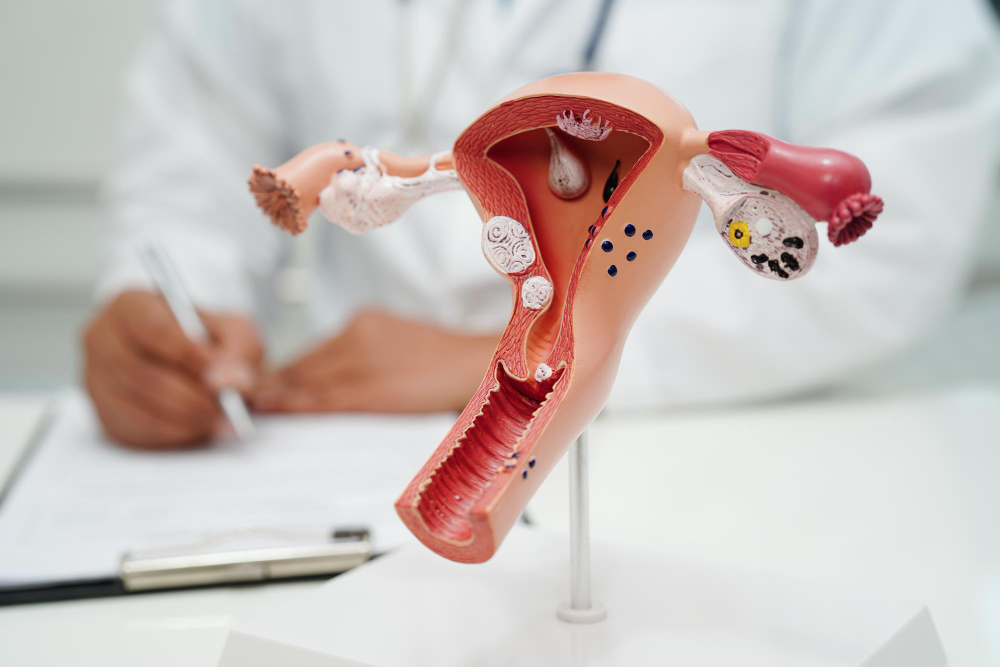
First, let’s understand what adenomyosis means. In this condition, the inner lining of the uterus, called the endometrium, moves into the muscle layer of the uterus. As a result, the uterus may become larger and feel heavy. This is why some people call it the “heavy uterus.” Adenomyosis often affects women in their 30s and 40s, but it can happen at any age. Although it is not cancer, it can cause many problems with periods and pain.
Common Symptoms of Adenomyosis
Many women with adenomyosis notice changes in their periods or pain. However, some may not have any symptoms. The most common adenomyosis symptoms include:
Sometimes, these symptoms can be mistaken for other problems, like fibroids or endometriosis. Therefore, it is important to talk to a doctor if you notice any of these signs.
Causes and Risk Factors
Doctors do not know the exact cause of adenomyosis. However, several factors may increase the risk:
In some cases, adenomyosis may run in families. But, more research is needed to understand why it happens.
How is Adenomyosis Diagnosed?
Because adenomyosis symptoms can look like other problems, doctors use several steps to diagnose it. First, your doctor will ask about your symptoms and medical history. Then, they may do a pelvic exam to check the size and shape of your uterus. Next, imaging tests like ultrasound or MRI can help show changes in the uterus. Sometimes, doctors may suggest a biopsy, but this is rare. In most cases, a mix of your symptoms and test results helps confirm the diagnosis.
Treatment Options for Adenomyosis
There are many ways to treat adenomyosis. The best option depends on your age, symptoms, and if you want to have children in the future. Common treatment options include:
For many women, medicine can help control symptoms. However, surgery may be needed if other treatments do not work.
Lifestyle Tips and Self-Care
Along with medical treatment, some lifestyle changes can help manage adenomyosis symptoms. For example:
Although these tips cannot cure adenomyosis, they may help you feel better each day.
Prevention and When to See a Doctor
Right now, there is no sure way to prevent adenomyosis. But, early treatment can help control symptoms and improve your quality of life. If you notice heavy periods, severe cramps, or pain that does not go away, see a gynecologist. Early care can make a big difference.
In summary, adenomyosis is a common cause of heavy periods and pain. With the right care, you can manage your symptoms and protect your uterine health. Consult a gynecologist at Vasistiny for personalized advice if you experience symptoms of adenomyosis.