
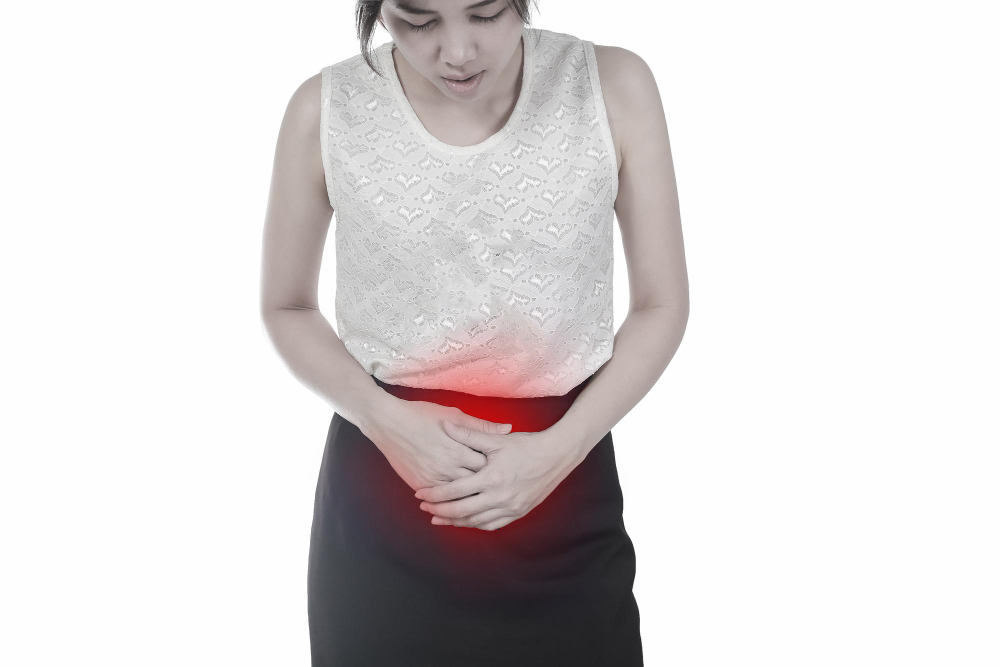
What Is Vaginal Itching and Burning?
Vaginal itching and burning are common problems for many women. These symptoms can cause discomfort in the vaginal area. Often, they may also make daily life harder. While mild irritation may go away on its own, ongoing symptoms need attention. In many cases, these signs point to an underlying issue. Because of this, it is important to understand what causes vaginal itching and burning. Knowing the reasons can help you find the right relief for vaginal irritation.
Common Causes of Vaginal Itching and Burning
Many things can lead to vaginal itching and burning. Some causes are simple, while others may need medical care. For example, irritation can come from soaps or tight clothing. However, infections are also a frequent reason. Below are some common causes of vaginal itching:
According to the Centers for Disease Control and Prevention (CDC), yeast infections and bacterial vaginosis are among the most common causes of vaginal irritation in women.
Recognizing Symptoms
Although vaginal itching and burning are the main symptoms, other signs may appear. These can help you and your doctor find the cause. For instance, you might notice:
Sometimes, symptoms come and go. But if they last more than a few days, you should see a healthcare provider. Early care can help prevent more serious problems.
How Vaginal Itching and Burning Is Diagnosed
Doctors use several steps to diagnose the causes of vaginal itching and burning. First, they ask about your symptoms and medical history. Next, they may do a gentle exam of the vaginal area. Often, a sample of vaginal fluid is taken for testing. This helps find infections or other issues. In some cases, blood tests or urine tests may be needed. Because each cause needs a different treatment, getting the right diagnosis is important. The World Health Organization (WHO) recommends seeing a doctor if symptoms are severe or do not improve.
Treatment Options for Vaginal Itching and Burning
Treatment for vaginal burning and itching depends on the cause. For example, if an infection is found, your doctor may suggest medicine. Here are some common treatment options:
In many cases, relief for vaginal irritation comes quickly after starting treatment. However, always finish any prescribed medicine, even if you feel better. According to the CDC, proper treatment lowers the risk of symptoms returning.
Lifestyle Tips and Prevention
While not all causes can be avoided, some habits may lower your risk. For instance, you can:
Additionally, regular check-ups with your healthcare provider can help catch problems early. Better health begins with awareness, timely action, and the right support. Get in touch with us today with Dr. Vasistiny