
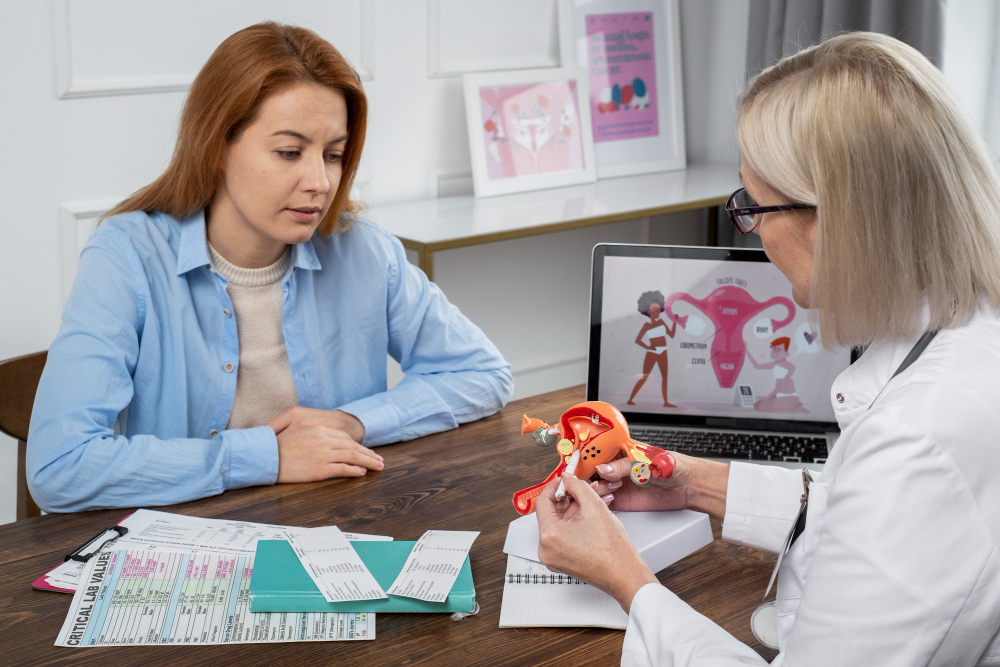
What is Cervical Cancer Screening?
Cervical cancer screening helps find changes in the cervix before cancer develops. The cervix is the lower part of the uterus. Screening uses tests like the Pap smear and HPV testing. Early detection of cervical cancer can save lives. Because of this, regular screening is important for women’s health.
Why is Cervical Cancer Screening Important?
Screening can find early signs of cervical cancer. In many cases, early treatment can prevent cancer from forming. According to the World Health Organization (WHO), regular screening lowers the risk of dying from cervical cancer. Moreover, it helps catch problems before they become serious. For this reason, many health experts recommend routine screening for women.
What is a Pap Smear?
A Pap smear test checks for changes in the cells of the cervix. Doctors use it to find early signs of cancer or pre-cancer. During the test, a healthcare provider gently collects cells from the cervix. The process is quick and usually not painful.
What is HPV Testing?
HPV testing looks for the human papillomavirus (HPV). This virus can cause cervical cancer. Not all types of HPV are harmful, but some can lead to cancer. Because of this, HPV testing is an important part of women’s health screening.
Who Should Get Screened and When?
Screening guidelines may vary by country. However, most experts, including the CDC, suggest:
Still, your doctor may suggest a different schedule based on your health history. For example, women with certain risk factors may need more frequent screening.
How to Prepare for Screening
Preparing for a Pap smear or HPV test is simple. To get the best results, consider these tips:
Because preparation is easy, most women can fit screening into their routine health care.
Interpreting Results and Next Steps
After your test, your doctor will explain the results. Most results are normal, and no action is needed. However, if abnormal cells or HPV are found, your doctor may:
Remember, abnormal results do not always mean cancer. Early action can prevent problems from getting worse.
Prevention Tips and Lifestyle Guidance
While screening is key, you can also lower your risk of cervical cancer by following these tips:
Because prevention and early detection go hand in hand, these steps support your long-term health.
Consult at Vasistiny for personalized cervical cancer screening advice.