
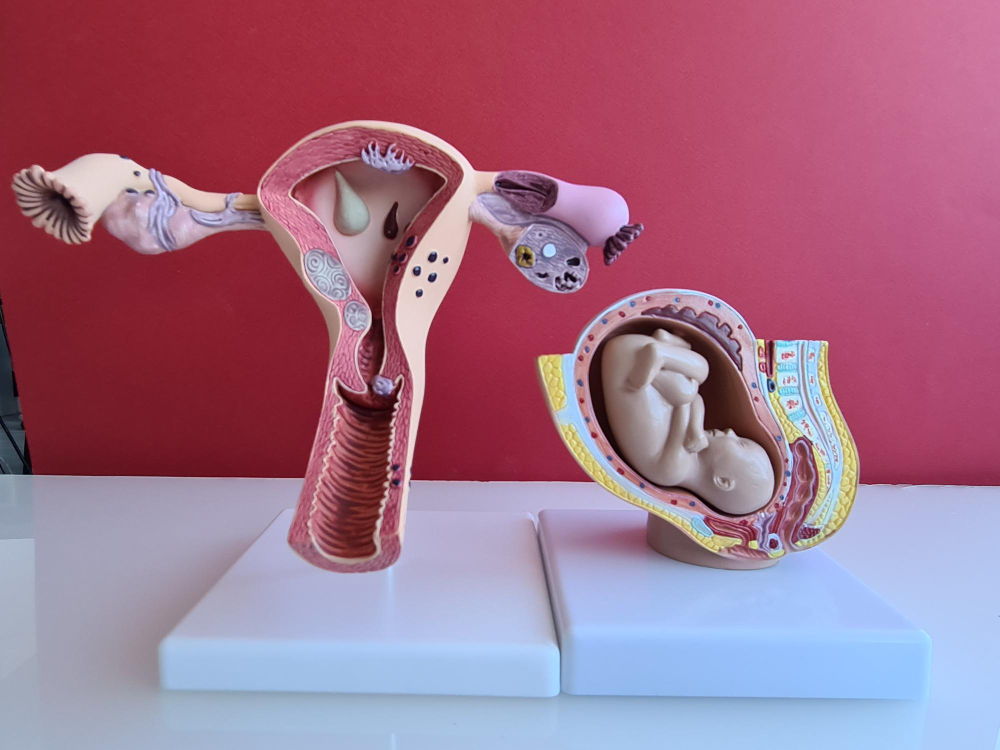
What Is an Ectopic Pregnancy?
Ectopic pregnancy happens when a fertilized egg grows outside the uterus. Most often, the egg attaches in a fallopian tube. This is why some people call it a “tubal pregnancy.” However, it can also occur in other places, such as the ovary or belly. Because the uterus is the only safe place for a baby to grow, an ectopic pregnancy cannot continue. Early detection is important. According to the Centers for Disease Control and Prevention (CDC), ectopic pregnancy affects about 1 in 50 pregnancies.
Common Symptoms of Ectopic Pregnancy
At first, ectopic pregnancy may seem like a normal pregnancy. For example, you may miss a period or feel mild cramping. However, some signs can point to a problem. It is important to know these symptoms so you can get help quickly.
Sometimes, these symptoms can be confused with other health issues. Still, if you notice any of these signs, seek medical care right away.
Causes and Risk Factors
Doctors do not always know why an ectopic pregnancy happens. Yet, some things can raise your risk. For instance, if you have had an ectopic pregnancy before, your risk is higher. Other risk factors include:
Even so, many people with no known risk factors can still have an ectopic pregnancy.
How Ectopic Pregnancy Is Diagnosed
Doctors use several steps to find out if you have an ectopic pregnancy. First, they will ask about your symptoms and medical history. Next, they may do a gentle exam of your belly and pelvis. Often, blood tests are done to check your pregnancy hormone levels. In addition, an ultrasound scan helps show where the pregnancy is growing. According to the World Health Organization (WHO), early diagnosis of ectopic pregnancy can help prevent serious problems. Sometimes, doctors repeat tests over several days to be sure.
Treatment Options
Treatment for ectopic pregnancy depends on your health and how far the pregnancy has grown. Since the pregnancy cannot continue, doctors must remove it to protect your health. There are two main treatment options:
Your doctor will talk with you about the best option for your situation. After treatment, you may need follow-up visits to make sure your body is healing well.
Possible Complications
Without treatment, ectopic pregnancy can lead to serious health problems. For example, the growing pregnancy can cause the fallopian tube to burst. This can lead to heavy bleeding inside the belly, which is a medical emergency. Other possible complications include:
Because of these risks, it is important to get care as soon as you notice symptoms.
Prevention and Lifestyle Guidance
While you cannot always prevent ectopic pregnancy, some steps may lower your risk. For instance, avoid smoking, as it can harm your fallopian tubes. If you have had pelvic infections, seek treatment early to prevent damage. Using protection during sex can help lower your risk of infections. If you are planning a pregnancy and have risk factors, talk to your doctor. They can give advice and check for any problems early. Staying informed and seeking care quickly can help protect your health.