Understanding ovulation and fertility is important for anyone planning a family. Ovulation is a key part of the menstrual cycle. It plays a big role in how easily you can get pregnant. In this blog, you will learn how ovulation affects fertility, signs of ovulation, and ways to improve fertility naturally. We will also discuss when to seek medical help if you have concerns.
What is Ovulation?
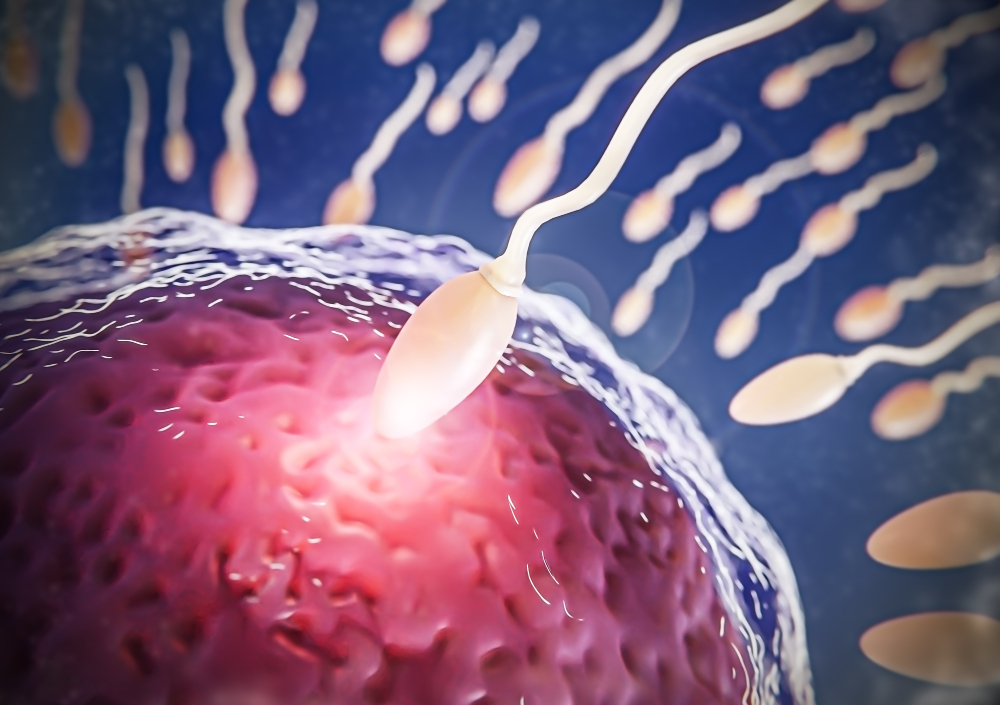
Ovulation is when an ovary releases an egg. This usually happens once in each menstrual cycle. The egg travels down the fallopian tube. If sperm meets the egg, pregnancy can happen. Most women ovulate about 14 days before their next period. However, this can vary from person to person.
How Ovulation Impacts Fertility
Ovulation is the time when you are most likely to get pregnant. This is called the “fertile window.” It usually lasts about six days. The best chance of pregnancy is during the two days before and the day of ovulation. If you do not ovulate, you cannot get pregnant naturally. Therefore, tracking ovulation is important for couples trying to conceive.
Common Signs and Symptoms of Ovulation
Knowing the signs of ovulation can help you plan for pregnancy. Some common signs include:
However, not everyone will notice all these signs. Still, paying attention to your body can help you spot ovulation.
Factors Affecting Ovulation and Fertility
Many things can affect ovulation and fertility. For example, age is a big factor. Fertility usually starts to decline after age 35. Other factors include:
In some regions, access to healthcare or nutrition may also play a role. Therefore, it is important to consider your lifestyle and health history.
How to Track Ovulation
Tracking ovulation can help you know your most fertile days. There are several ways to do this:
For best results, try using more than one method. This can help you spot patterns and predict ovulation more accurately.
Tips to Improve Fertility
There are simple steps you can take to improve fertility naturally. For instance:
Additionally, talk to your doctor about any health conditions that may affect fertility.
When to Seek Medical Advice
If you have been trying to get pregnant for a year without success, it may be time to see a doctor. Women over 35 should seek help after six months of trying. You should also talk to a healthcare provider if you have irregular periods, very painful periods, or a known health problem. Early advice can help you find answers and get the right support.
In summary, understanding ovulation and fertility can help you plan for a healthy pregnancy.
If you’re facing challenges with conception or have concerns about ovulation and fertility, consult the expert gynecology team at Vasistiny Hospital. Our specialists provide personalized guidance to help you understand your fertility and plan for a healthy pregnancy. Book your consultation today for expert support.