
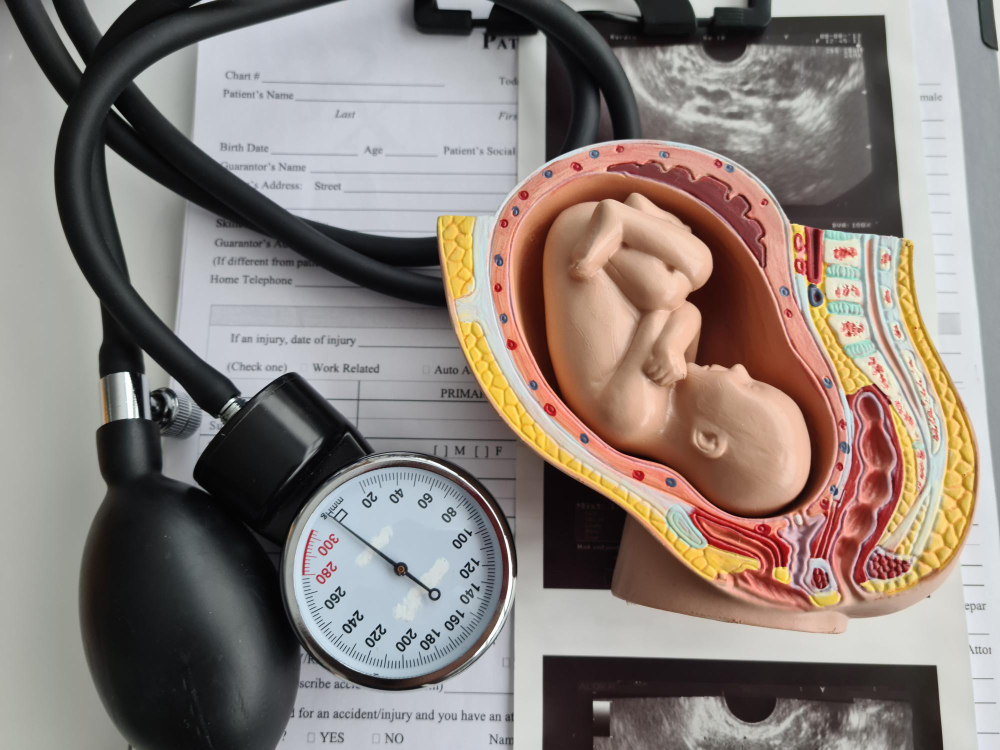
What is Placenta Previa?
Placenta previa is a pregnancy complication where the placenta covers part or all of the cervix. The placenta is an organ that gives nutrients and oxygen to the baby. Usually, it sits high in the uterus. However, in placenta previa, it lies low and blocks the birth canal. Because of this, it can cause problems during pregnancy and delivery. Placenta previa can happen at any stage, but it is more serious later in pregnancy. In many cases, doctors find it during a routine ultrasound. This condition affects about 1 in 200 pregnancies, according to the World Health Organization.
Symptoms of Placenta Previa
Placenta previa often shows clear signs. Still, some women may not notice symptoms right away. Early detection is important for safety. Watch for these common symptoms:
Sometimes, the bleeding can be heavy. If you notice any of these signs, seek medical help right away. Not all vaginal bleeding means placenta previa, but it is best to check with your doctor.
Causes and Risk Factors
Doctors do not always know why placenta previa happens. However, certain factors can raise the risk. For example, women who have had placenta previa before are more likely to get it again. Other risk factors include:
Because these factors can increase the risk, doctors watch women with these backgrounds more closely. Still, placenta previa can happen to anyone, even without risk factors.
How Placenta Previa is Diagnosed
Doctors usually find placenta previa during a routine ultrasound. Sometimes, they notice it early in pregnancy, but it may move as the uterus grows. If you have symptoms like bleeding, your doctor may order another ultrasound. In rare cases, a vaginal exam is needed, but only if it is safe. Most often, imaging is enough. Additionally, doctors may use a transvaginal ultrasound for a clearer view. This helps them see exactly where the placenta is located. Early diagnosis allows for better planning and care throughout pregnancy.
Monitoring and Management During Pregnancy
Once placenta previa is found, close monitoring is needed. Doctors will schedule more ultrasounds to check the placenta’s position. Sometimes, the placenta moves away from the cervix as the uterus grows. If it does not move, extra care is needed. For example, your doctor may advise:
If bleeding is heavy or does not stop, you may need to stay in the hospital. In some cases, a planned C-section is the safest way to deliver the baby. This helps protect both mother and child from serious complications. According to the CDC, careful monitoring lowers the risk of severe bleeding and other issues.
Prevention and Lifestyle Guidance
While placenta previa cannot always be prevented, you can lower your risk. For instance, avoid smoking during pregnancy. Also, regular prenatal care helps doctors find problems early. If you have risk factors, tell your doctor at your first visit. Here are some tips for a healthy pregnancy:
In many cities, clinics offer special care for women with pregnancy complications. Ask your healthcare provider about resources in your area. Early and regular care gives you and your baby the best chance for a safe pregnancy.
Conclusion
If you have questions about placenta previa or need support during your pregnancy, Dr. Vasistiny is here to help. Schedule a consultation today to get expert care and guidance for you and your baby.
If you have questions about placenta previa or need support during your pregnancy, DVasistiny is here to help. Schedule a consultation today to get expert care and guidance for you and your baby.