
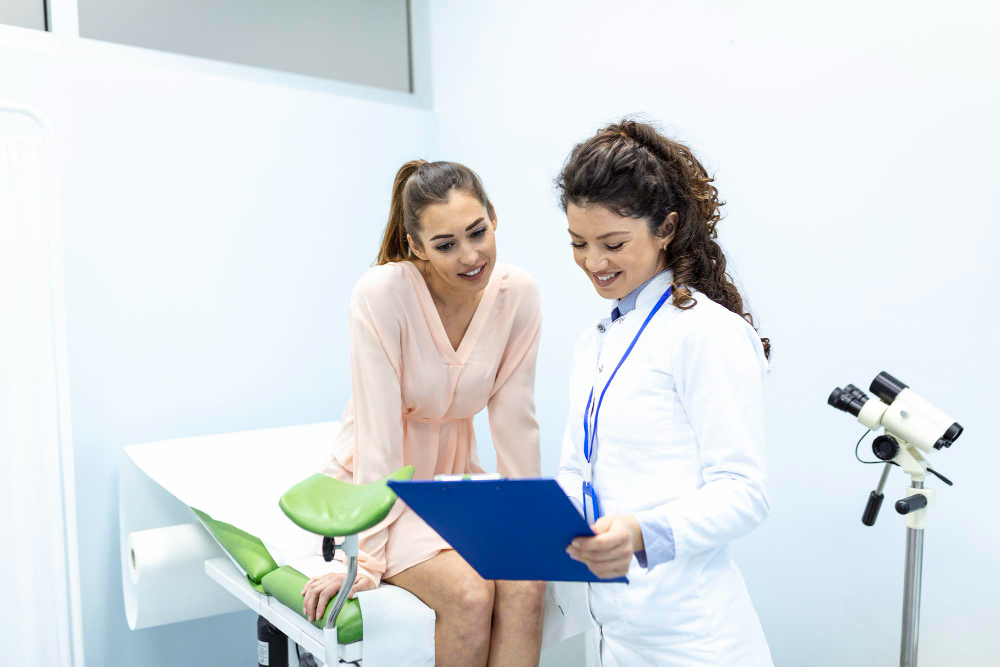
What is a Pap Smear?
A Pap smear is a simple test that checks for changes in the cells of the cervix. The cervix is the lower part of the uterus, which opens into the vagina. Doctors use this test to find early signs of cervical cancer. In fact, a Pap smear can spot problems before they turn into cancer. Because of this, it is a key part of women’s health care.
Why is a Pap Smear Important?
Early detection saves lives. A Pap smear can find abnormal cells before they become cancer. This means treatment can start early, often before symptoms appear. According to the CDC, regular Pap smears have greatly reduced deaths from cervical cancer. So, Pap smear test benefits include peace of mind and better health outcomes. For many women, this test is the best way to protect against cervical cancer.
Who Should Get a Pap Smear and How Often?
Most women should start Pap smear screening at age 21. However, some may need to start earlier if they have certain health risks. The general guidelines are:
Still, some women may need more frequent tests. For example, those with a history of cervical cancer or HIV should talk to their doctor. Always follow your healthcare provider’s advice for your situation.
How is a Pap Smear Performed?
The Pap smear procedure is quick and usually painless. First, you will lie on an exam table. Next, the doctor gently inserts a small tool called a speculum into the vagina. This helps them see the cervix. Then, they use a soft brush or spatula to collect a few cells from the cervix. The whole process takes only a few minutes. Afterward, you can go about your day as usual.
What Do Pap Smear Results Mean?
Pap smear results usually fall into three groups:
Because early changes can be treated, it is important to follow up on any abnormal results.
Tips for Preparing for a Pap Smear
To get the best results from your Pap smear, follow these tips:
These steps help ensure the sample is clear and accurate.
Common Myths and Facts About Pap Smears
Prevention and Early Detection of Cervical Cancer
Regular Pap smears are the best way to prevent cervical cancer. In addition, getting the HPV vaccine can lower your risk. Practicing safe sex and not smoking also help protect your cervix. According to the World Health Organization, early detection through cervical cancer screening saves lives. Because of this, it is important to keep up with your Pap smear schedule.
Conclusion: Take Charge of Your Cervical Health
In summary, Pap smears are a simple and powerful tool for women’s health. They help find problems early, when they are easiest to treat. If you have questions or concerns, consult a healthcare provider at Vasistiny for personalized advice about Pap smears and cervical health.