
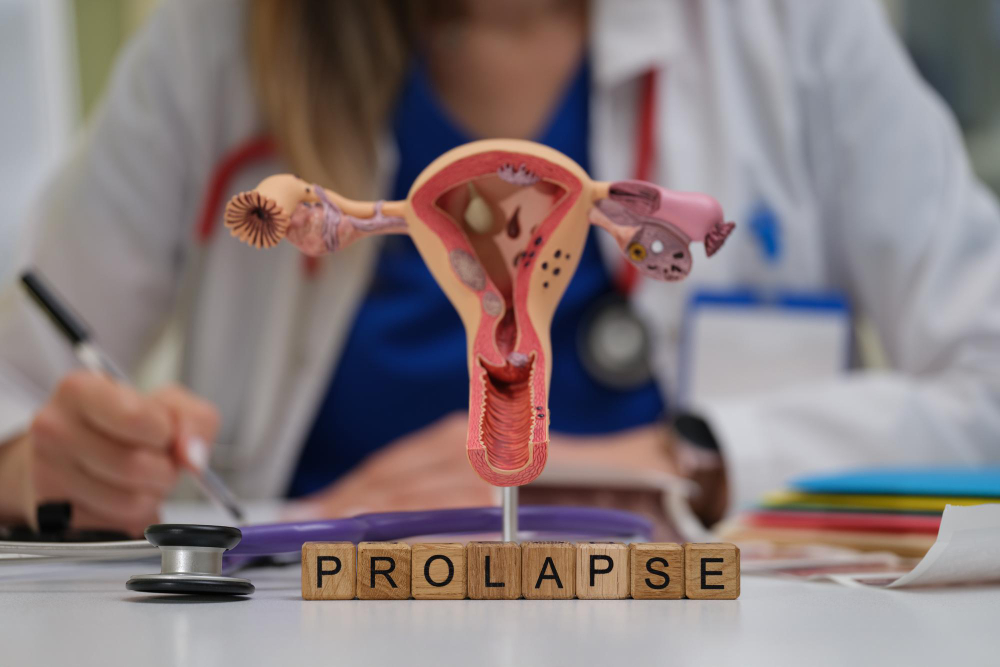
What Is Uterine Prolapse?
Uterine prolapse happens when the uterus drops down into the vagina. This occurs because the muscles and tissues that hold the uterus in place become weak or stretched. As a result, the uterus can slip out of its normal position. Although this condition is common, many women feel unsure about what it means. Understanding uterine prolapse can help you spot early signs and seek help if needed.
Why Does Uterine Prolapse Happen?
There are several reasons why uterine prolapse occurs. Most often, it is due to weakened pelvic muscles and tissues. These muscles can weaken over time or after certain life events. For example, childbirth is a leading cause. However, other factors also play a role. Here are some common causes of uterine prolapse:
Because these factors can add up, women who have more than one risk factor are more likely to develop uterine prolapse.
Common Symptoms of Uterine Prolapse
Many women with uterine prolapse notice changes in their bodies. Still, symptoms can range from mild to severe. Some women may not notice any signs at first. But as the prolapse worsens, symptoms often become more obvious. Common signs of uterine prolapse include:
Because these symptoms can affect daily life, it is important to pay attention and talk to a doctor if you notice them.
How Is Uterine Prolapse Diagnosed?
Doctors use simple steps to diagnose uterine prolapse. First, they ask about your symptoms and medical history. Next, they perform a pelvic exam to check the position of your uterus. Sometimes, your doctor may ask you to cough or bear down during the exam. This helps them see how far the uterus has moved. In some cases, imaging tests like ultrasound may be used. However, most diagnoses are made during a physical exam. Early diagnosis can help prevent the condition from getting worse.
Treatment Options for Uterine Prolapse
Treatment for uterine prolapse depends on how severe the condition is. For mild cases, simple changes or exercises may help. In other cases, medical devices or surgery might be needed. Here are some common treatment options:
Because every woman is different, your doctor will help you choose the best treatment for your needs.
Lifestyle Tips and Prevention
While not all cases can be prevented, certain habits can lower your risk of uterine prolapse. For example, keeping your pelvic muscles strong is important. Here are some tips to help prevent uterine prolapse:
Because prevention is easier than treatment, these steps can help protect your pelvic health.
When to See a Doctor
If you notice signs of uterine prolapse, it is important to see a doctor. Early treatment can stop the problem from getting worse. You should seek medical advice if you:
Because these symptoms can affect your quality of life, do not wait to get help.
Conclusion & Call-to-Action
Uterine prolapse is a common condition that can affect women of all ages. However, knowing the causes, signs, and treatment options can help you take control of your health. If you think you may have uterine prolapse, consult a healthcare specialist Dr. Vasistiny for personalized advice and care.