Understanding your fertile window can help you plan for pregnancy. The fertile window is the time in your cycle when you are most likely to get pregnant. Tracking your fertile window is important for women who want to know the best time to conceive. There are many ways to track ovulation and use fertility awareness methods. In this guide, you will learn how to track your fertile window and spot signs of ovulation. You will also find tips for accurate tracking and know when to seek medical advice.
What Is the Fertile Window?
The fertile window is the period in your menstrual cycle when you can get pregnant. Usually, it lasts about six days. This includes the five days before ovulation and the day of ovulation itself. During this time, an egg is released from your ovary. Sperm can live inside your body for up to five days. So, if you have sex during your fertile window, your chances of getting pregnant are higher. Knowing your fertile window helps you plan or avoid pregnancy.
Why Is Tracking Your Fertile Window Important?
Tracking your fertile window can help you in many ways. First, it helps you find the best time to conceive. Second, it can help you avoid pregnancy if you are not ready. Third, it gives you a better understanding of your body and cycle. For women with irregular periods, tracking can help spot patterns. In some regions, access to fertility care may be limited. Therefore, tracking your fertile window at home can be very helpful. According to the CDC, knowing your cycle is a key part of reproductive health.
Methods to Track Your Fertile Window
There are several ways to track your fertile window. Each method has its own steps and benefits. You can use one or combine a few for better results.
Calendar Method
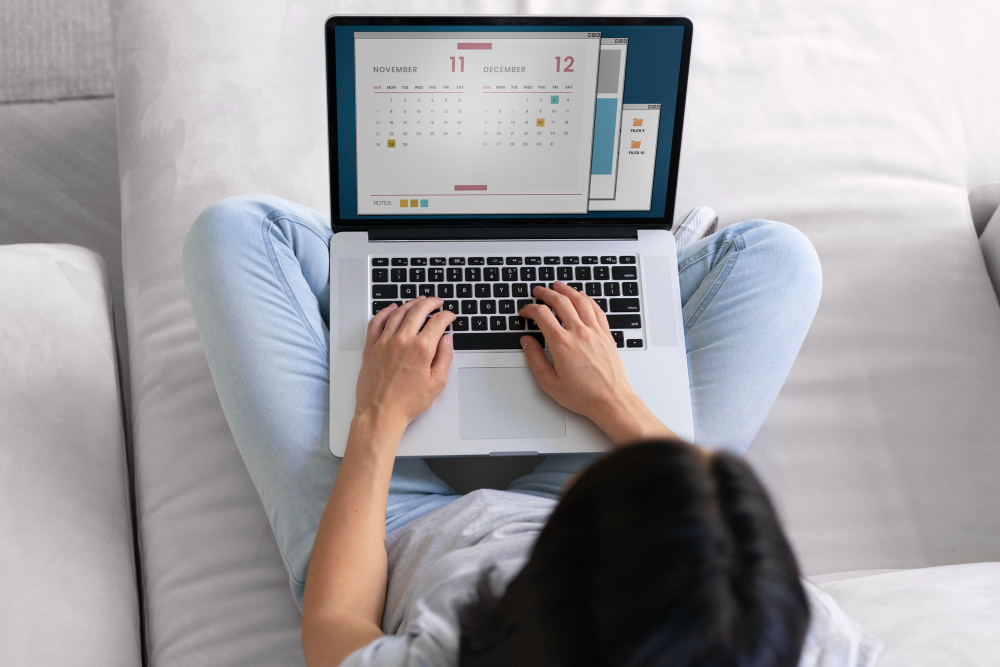
The calendar method is simple and easy to use. You mark the first day of your period on a calendar. Then, you count the days in your cycle. Most cycles last 28 days, but yours may be shorter or longer. Ovulation usually happens about 14 days before your next period. By tracking your cycle for a few months, you can predict your fertile window. However, this method works best if your cycles are regular.
Basal Body Temperature
Basal body temperature (BBT) is your body’s lowest temperature at rest. Each morning, before getting out of bed, take your temperature with a special BBT thermometer. After ovulation, your BBT rises slightly. By recording your temperature every day, you can spot this rise. This helps you know when ovulation has happened. Over time, you can see patterns and predict your fertile window. For best results, take your temperature at the same time each day.
Cervical Mucus Monitoring
Your cervical mucus changes during your cycle. Around ovulation, it becomes clear, stretchy, and slippery, like egg whites. This type of mucus helps sperm move easily. By checking your mucus each day, you can spot when you are most fertile. Wash your hands, then gently wipe the opening of your vagina with clean tissue. Note the color and texture. When you see clear, stretchy mucus, your fertile window is open.
Ovulation Predictor Kits
Ovulation predictor kits (OPKs) are easy to use. They test your urine for a hormone called LH, which rises before ovulation. You can buy these kits at most drugstores. Follow the instructions on the package. When the test shows a surge, you are likely to ovulate in the next 12 to 36 hours. OPKs can be helpful if your cycles are irregular or if you want extra confirmation.
Common Signs of Ovulation
Besides tracking methods, your body may show signs of ovulation. Watch for these common signs:
However, not all women notice these signs. Even so, tracking can help you learn your own patterns.
Tips for Accurate Fertility Tracking
For the best results, follow these tips:
Additionally, remember that stress, illness, or travel can affect your cycle. So, keep these factors in mind while tracking.
When to Seek Medical Advice
If you have trouble finding your fertile window or have irregular cycles, talk to a healthcare provider. You should also seek help if you have been trying to get pregnant for over a year without success. Women over 35 should seek advice after six months of trying. Sometimes, medical conditions can affect ovulation. Early help can improve your chances of conceiving. The World Health Organization recommends seeing a doctor if you have concerns about your cycle or fertility.
For personalized fertility guidance, consult Dr. Vasistiny. She can help you choose the best tracking method and answer your questions.