Introduction
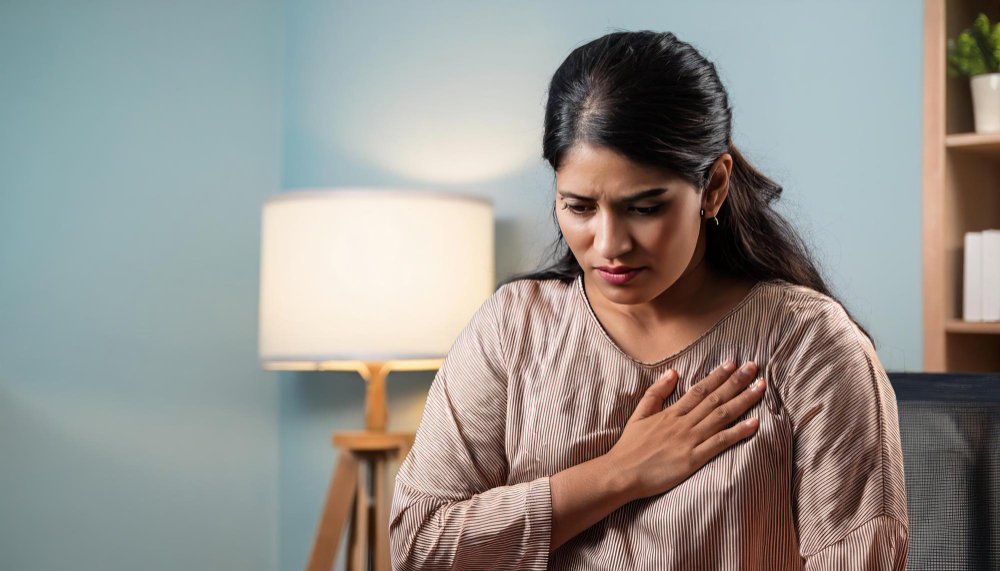
Women’s heart health is important for every woman, no matter her age. Heart disease is the leading cause of death for women in the United States, according to the CDC. However, many people think heart problems only show up as chest pain. In reality, women often have different symptoms. Because of this, heart disease in women can go unnoticed. Understanding these signs can help save lives. Let’s explore what makes women’s heart health unique and why it matters so much.
Unique Symptoms of Heart Disease in Women (Beyond Chest Pain)
Many women do not feel the classic crushing chest pain during a heart attack. Instead, they may notice other warning signs. For example, these symptoms can be mild or even confusing. Knowing them can help you act quickly.
Sometimes, these symptoms come and go. Therefore, it is easy to ignore them. But, if you notice any of these signs, seek help right away.
Common Causes and Risk Factors
Heart disease in women can have many causes. Some risk factors are the same for men and women, but others are unique to women. For instance, certain health conditions and life stages can raise a woman’s risk.
Additionally, women may face higher risks after menopause. Hormone changes can affect the heart. Because of this, it is important to know your personal risk factors.
Diagnosis and Screening Methods
Early diagnosis can make a big difference. Doctors use several tests to check women’s heart health. Some tests are simple, while others look deeper for hidden problems.
Sometimes, women’s heart disease is harder to spot. For this reason, talk to your doctor about your symptoms and risk factors. Early screening helps catch problems before they get worse.
Treatment Options
Treatment for heart disease in women depends on the cause and severity. Doctors may suggest lifestyle changes, medicines, or procedures. Each plan is tailored to the person’s needs.
With the right care, many women can manage heart disease and lead active lives. Always follow your doctor’s advice for the best results.
Prevention and Lifestyle Tips
Preventing heart disease is possible for many women. Small changes can have a big impact. For example, these tips can help protect your heart:
Moreover, support from family and friends can make healthy habits easier to keep. Every step counts toward a healthier heart.
When to Seek Medical Help
Quick action can save lives. If you notice any warning signs of a heart attack, do not wait. Call emergency services right away. Even if you are unsure, it is better to be safe. For ongoing symptoms like tiredness or shortness of breath, schedule a doctor’s visit soon. Early help can prevent serious problems.
Conclusion
Women’s heart health is about more than just chest pain. Because symptoms can be different, it is important to know the signs and risks. Take steps to protect your heart every day. Consult a specialist at Vasistiny for personalized guidance on maintaining a healthy heart.