Introduction
Many women notice more vaginal infections in monsoon, especially in July. This month brings heavy rain, high humidity, and warmth. These conditions make it easier for germs to grow. As a result, July becomes the most vulnerable month for vaginal infections. In India, the rainy season often starts in June and peaks in July. Therefore, women need to be extra careful during this time. In this blog, you will learn why July is risky, what symptoms to watch for, and how to stay safe.
What Are Vaginal Infections?
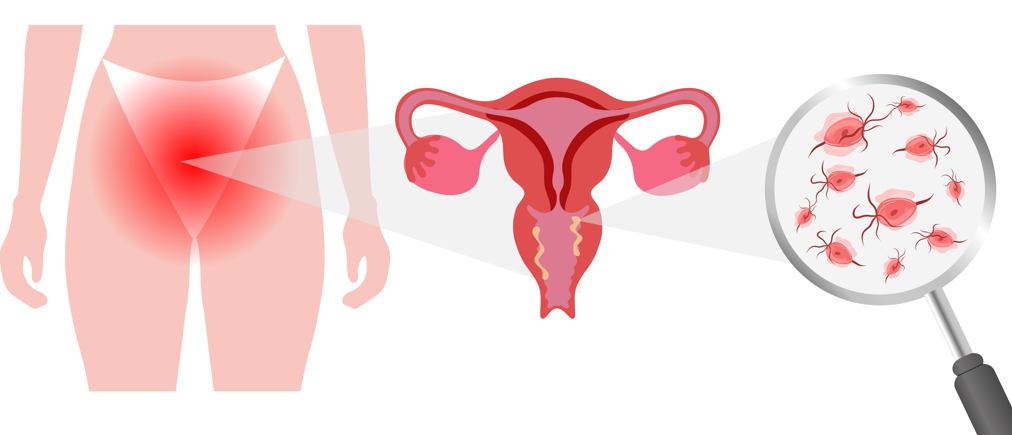
Vaginal infections happen when harmful germs grow in the vagina. These germs can be bacteria, yeast, or even parasites. Usually, the vagina keeps a healthy balance of good and bad germs. However, sometimes this balance changes. When that happens, infections can occur. Common types include bacterial vaginosis, yeast infections, and trichomoniasis. Each type has its own symptoms and treatments. But all can cause discomfort if not treated early.
Why Are Vaginal Infections More Common During Monsoon?
During the monsoon, the air is warm and moist. These conditions help germs grow faster. In addition, wet clothes and poor hygiene can increase the risk. For example, staying in damp underwear or tight clothes can trap moisture. This makes it easier for infections to start. Also, public places like toilets may not be clean during heavy rains. Because of this, women are more likely to catch infections in the rainy season.
Why Is July the Most Vulnerable Month?
July is often the wettest month in many parts of India. Heavy rain leads to high humidity and more sweating. As a result, it becomes harder to keep the vaginal area dry and clean. Many women also travel or go out more during this time, increasing exposure to public toilets. In addition, floods and waterlogging can make it tough to maintain good hygiene. All these factors make July the peak month for vaginal infections.
Common Symptoms of Vaginal Infections
It is important to know the signs of a vaginal infection. Early treatment can prevent problems. Watch for these symptoms:
If you notice any of these, you should see a doctor soon.
Causes and Risk Factors in Monsoon
Several things can increase the risk of vaginal infection in July and the rainy season. Here are some common causes and risk factors:
According to the World Health Organization (WHO), good hygiene is key to preventing infections, especially in humid climates.
Diagnosis and When to See a Doctor
If you have symptoms, it is best to consult a gynecologist. The doctor will ask about your symptoms and may do a simple test. Sometimes, a sample of vaginal discharge is checked under a microscope. Early diagnosis helps in choosing the right treatment. If you have fever, severe pain, or notice blood, seek help right away. These could be signs of a serious problem.
Effective Treatments and Home Care Tips
Treatment depends on the type of infection. Doctors may prescribe:
At home, you can also:
However, do not try home remedies without talking to a doctor. Some may make things worse.
Prevention: How to Stay Safe During July and Monsoon
Preventing vaginal infections in July and the monsoon is possible with simple steps. Here are some monsoon hygiene tips for women:
According to gynecologist advice for monsoon, staying dry and clean is the best way to prevent infections. If you live in a city with heavy rain, be extra careful during July.
Conclusion
In summary, vaginal infections in monsoon are common, especially in July. Warm, humid weather and wet clothes increase the risk. But with good hygiene and quick action, you can stay safe. If you notice any symptoms, consult a gynecologist Dr. Vasistiny for personalized advice during the monsoon.