What is the Menstrual Cycle?
The menstrual cycle is a natural process in women’s bodies. It prepares the body for pregnancy each month. Usually, the cycle lasts about 28 days, but it can range from 21 to 35 days. Every woman’s cycle is unique. Understanding the menstrual cycle helps women manage their health better. This menstrual health guide explains the phases of the menstrual cycle and why they matter. For many, knowing about their cycle supports better women’s health and well-being.
Key Phases of the Menstrual Cycle
The menstrual cycle has four main phases. Each phase has a special role in the body. Knowing these phases helps you understand changes in your body.
As you can see, each phase is important for women’s health.
Common Symptoms and What to Expect
Many women notice changes during their cycle. Some symptoms are normal, but they can feel different for each person. For example, you may notice:
However, if symptoms are severe or last too long, it is wise to talk to a doctor.
Causes of Irregularities
Sometimes, the menstrual cycle can be irregular. This means periods may come early, late, or not at all. There are many reasons for this. For instance, stress, sudden weight changes, or illness can affect your cycle. In addition, conditions like polycystic ovary syndrome (PCOS) or thyroid problems may cause changes. If you notice ongoing irregularities, seek medical advice.
How to Track Your Cycle
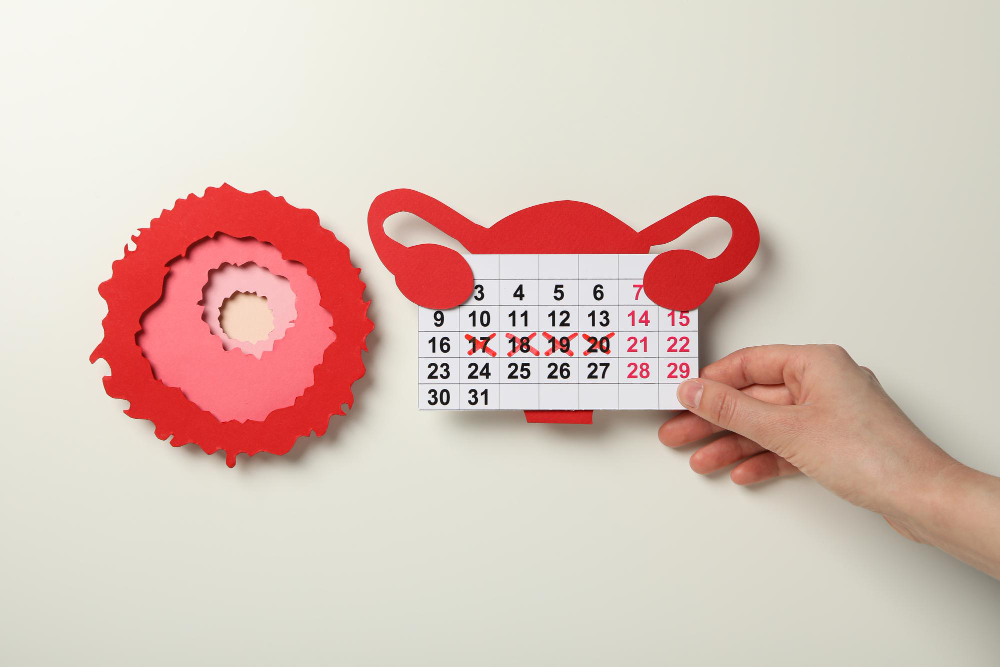
Tracking your cycle helps you understand your body better. You can use a calendar or a mobile app. Mark the first day of your period each month. Over time, you will see patterns. This can help you predict when your next period will start. Moreover, tracking helps you notice any changes or problems early.
Lifestyle Tips for a Healthy Cycle
Healthy habits support a regular menstrual cycle. Here are some tips:
With these habits, you can help keep your cycle on track.
When to See a Doctor
Sometimes, you may need medical help. For example, see a doctor if you have:
Early care can prevent bigger health problems. Do not wait if you are worried about your menstrual health.
Prevention and Self-Care Strategies
Taking care of yourself can prevent many menstrual problems. For instance, keep a regular routine and avoid smoking or too much alcohol. Use gentle hygiene products and change pads or tampons often. If you have pain, try a warm pad or gentle exercise. In summary, small steps can make a big difference in your menstrual health.
For more support, consult Dr. Vasistiny for personalized advice on your menstrual health.