
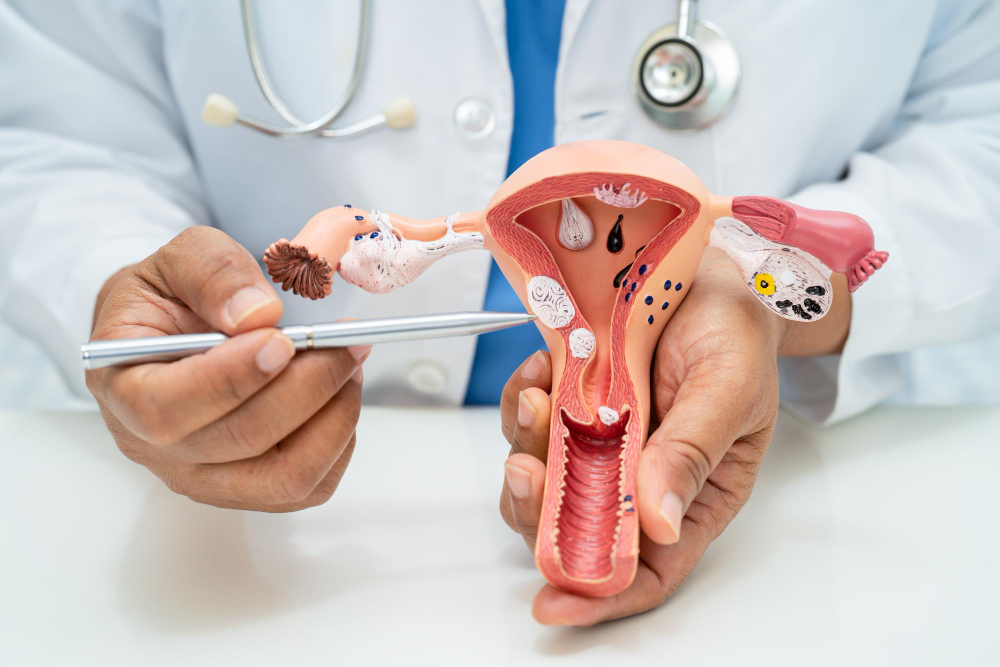
What is Cervical Dysplasia?
Cervical dysplasia means there are abnormal changes in the cells on the surface of the cervix. The cervix is the lower part of the uterus that connects to the vagina. Often, these changes are found during routine cervical health checks, such as a Pap smear. While cervical dysplasia is not cancer, it can sometimes lead to cancer if left untreated. However, early detection and treatment can prevent serious problems. According to the World Health Organization (WHO), regular screening is key to finding these cell changes early.
Symptoms of Cervical Dysplasia
Most people with cervical dysplasia do not notice any symptoms. Usually, the condition is found during a Pap smear or cervical screening. However, in rare cases, some women may notice:
Still, these signs can be caused by other health issues. Therefore, regular check-ups are important for early detection.
Causes and Risk Factors
The main cause of cervical dysplasia is infection with certain types of human papillomavirus (HPV). HPV is a common virus spread through sexual contact. However, not everyone with HPV will develop cervical cell changes. Several risk factors can increase the chance of cervical dysplasia:
Even so, regular screening can help catch changes early, no matter your risk level.
Diagnosis and Screening Methods
Doctors use screening tests to find cervical dysplasia. The most common test is the Pap smear. During this test, a small sample of cells is taken from the cervix and checked for abnormalities. In addition, an HPV test may be done to look for the virus that causes most cervical cell changes. If results are abnormal, your doctor may suggest further tests, such as:
Because early changes often have no symptoms, regular screening is the best way to protect your cervical health.
Treatment Options
Treatment for cervical dysplasia depends on how severe the cell changes are. For mild cases, doctors may suggest watchful waiting, as some changes go away on their own. However, moderate or severe dysplasia usually needs treatment. Options include:
After treatment, regular follow-up tests are important to make sure the cervix stays healthy.
Prevention and Lifestyle Guidance
There are steps you can take to lower your risk of cervical dysplasia. For example, getting the HPV vaccine can protect against the virus that causes most cervical cell changes. In addition, practicing safe sex and limiting the number of sexual partners can help. Other tips include:
Because prevention is better than cure, these steps can help keep your cervix healthy.
When to See a Doctor
If you notice unusual vaginal bleeding, discharge, or pain, you should see a doctor. Even if you feel fine, regular cervical health checks are important. Early detection of cervical dysplasia can prevent serious problems later. Therefore, always follow your doctor’s advice about screening and follow-up care.
For personalized advice on cervical dysplasia, consult Dr.Vasistiny. Early action can protect your health and give you peace of mind.