
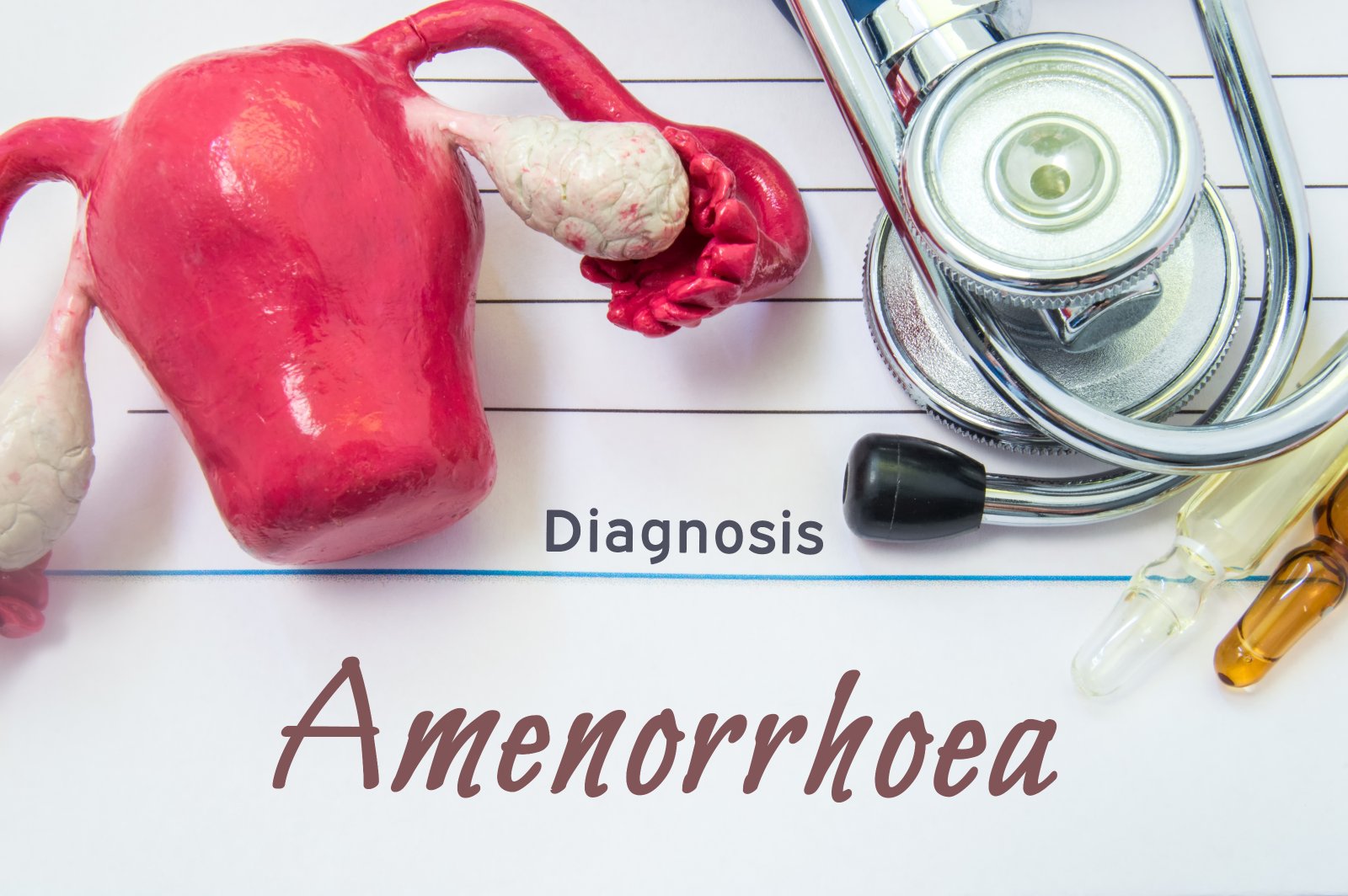
What is Amenorrhea?
Amenorrhea means missing one or more periods. Usually, women have monthly periods from puberty until menopause. However, if periods stop for three months or more, it is called amenorrhea. Sometimes, girls who have not started their periods by age 15 also have amenorrhea. While pregnancy is a common reason, there are many other causes. Understanding amenorrhea is important for your health.
Common Symptoms of Amenorrhea
Besides missed periods, amenorrhea can cause other signs. For example, you may notice changes in your body or mood. Early detection helps with treatment. Watch for these symptoms:
Sometimes, you may have only one or two symptoms. Still, it is important to pay attention to any changes.
Causes of Amenorrhea
There are many possible amenorrhea causes. Some are natural, while others need medical care. Below are common reasons:
Because causes vary, it is important to find out why amenorrhea happens. Early diagnosis can help prevent other health issues.
How Amenorrhea is Diagnosed
Doctors use several steps to diagnose amenorrhea. First, they ask about your health and family history. Next, they may do a physical exam. Often, tests are needed to find the cause. These may include:
With these tests, doctors can find the reason for missed periods. Then, they can suggest the best treatment for amenorrhea.
Treatment Options for Amenorrhea
Treatment for amenorrhea depends on the cause. For example, if stress or weight loss is the reason, making lifestyle changes may help. In other cases, medicine or other treatments are needed. Common options include:
Because each person is different, your doctor will suggest the right treatment for you.
Lifestyle Tips and Prevention
While not all cases can be prevented, some steps may lower your risk. For instance, healthy habits support regular periods. Try these tips:
Additionally, talk to your doctor before starting new medicines or supplements. Early care can help prevent missed periods.
When to See a Doctor
If you miss three or more periods in a row, see a healthcare provider. Also, if you have other symptoms like headaches, vision changes, or pelvic pain, get medical advice. Early treatment can prevent future problems. Remember, amenorrhea is often treatable.
If you experience missed periods or symptoms of amenorrhea, consult a healthcare professional at Vasistiny Hospital for personalized advice.